Top 10 Travel Trends That Will Change The Way That The World Explores In 2026/27
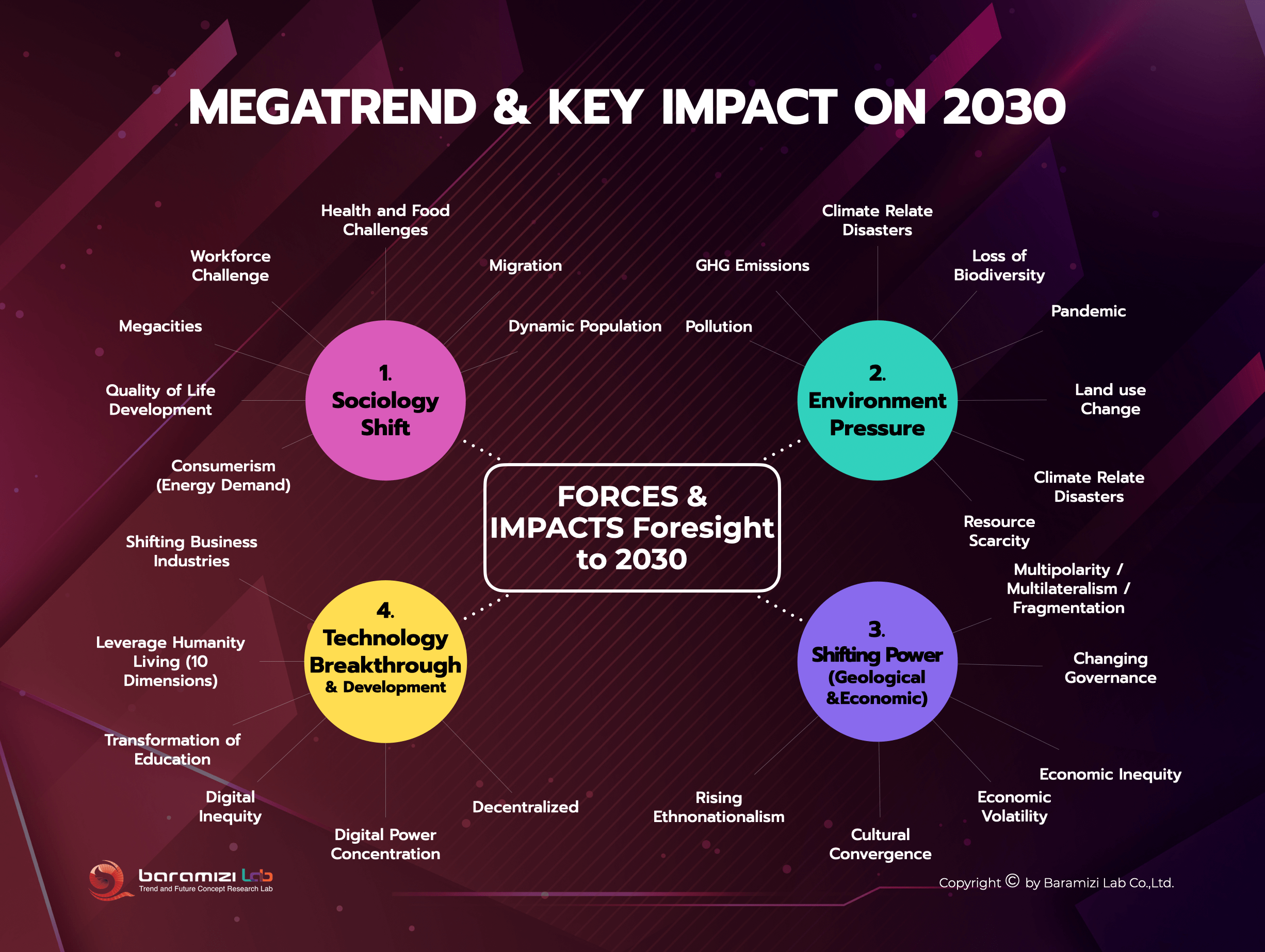
Travel has always been an experience that goes beyond moving between different places. It’s a reflection of how people look at themselves as individuals, their priorities, and what they’re looking for beyond daily life. The global travel landscape of 2026/27 is shaped by a fascinating tension between the need for authentic travel and the pressures posed by overtourism in between the convenience of technology as well as the longing for authentic human interaction, and also between the rising consciousness of travel’s environmental impact and the unstoppable desire to travel exploring new places. Here are the top 10 new trends in travel that will change the way that travelers travel around the globe in 2026/27.
1. Slower Travel gains Ground The Highlight Reel
The method of cramming in every possible destination into a limited time trip optimised for social media content rather than real experiences is being replaced by a different method. The slow travel model, which includes spending longer and in smaller areas, renting accommodations instead of staying in hotels or shopping in local stores, and engaging with a location at a pace that allows something that is more like a real sense of familiarity is increasingly attractive to travelers that have gone through the highlight reel only to find it lacking. The shift is the result of a reassessment of what travel is actually about and what’s important to it. taking the time and effort involved.
2. In the wake of overtourism, there is a need to reconsider The Most Popular Destinations
Many of the most visited places in the world have implemented measures to control visitors’ numbers following years of growing tourist numbers that were unchecked, which strained infrastructure as well as ecosystems and local communities to the brink of collapse. Entry fees, visitor limits as well as restricted access to sensitive areas, and higher fees designed to reduce volume while increasing the revenue per visit are becoming more frequent. For travellers, this means more plan, more lead time and, in some instances, an honest rethinking of which destinations are worth considering. There is also renewed excitement for destinations that aren’t well-known or offer comparable experiences without the crowds.
3. Sustainable Travel moves away from Niche To Expectation
Awareness of the environmental consequences of travel, especially aviation has increased significantly and it is beginning change behavior in tangible ways. People are becoming more interested in low-carbon travel options, accommodations with genuine sustainability credentials, and itineraries that make a positive contribution towards the locations they visit instead of just gaining experience from them. The need for reputable sustainable travel options is increasing quickly enough that greenwashing, a practice that has been an issue in this particular sector, is facing greater scrutiny. The operators who demonstrate genuine social and environmental accountability are finding it to be more and more effective as a differentiator.
4. Technology Transforms The Travel Experience From End To End
From AI-powered trip planning software which design customized itineraries based on personal preferences, through seamless online border crossings, live translations, and platforms for accommodation that connect travelers with more than the usual hotel rooms, technology is transforming every step of travel. The friction that used to be a hallmark of travel internationally, the long lines of paper work, the limitations of language and information gaps are now being steadily reduced. For seasoned travellers this usually means that they have more time to experience the experience. For people who are new to travel and experienced difficulties in traveling abroad it’s removing obstacles that hindered them from exploring.
5. Wellness Travel Expands to a Major Sector
Wellness has been one of the fastest-growing segments of global market for travel. People are increasingly building trips around experiences that improve physical and mental health rather than focusing on wellness as an added benefit to an enjoyable vacation. In-depth wellness retreats and thermal spas online detox programs the sleep-focused retreats and trips that are based around hiking yoga, and mindful activities are all expanding rapidly. The post-pandemic review of priorities have made investment in health and healing like a necessity, not just in the interest of a substantial and increasing segment of travelers.
6. Culinary Trips Become A Main Motivator
Food has always been an integral aspect of travel, however for a growing percentage of travelers, it’s the main motive rather than it being a pleasant consequence. Travel destinations are being selected specifically due to their culinary heritage such as markets, restaurants and also the chance to learn the techniques of cooking that can’t be duplicated at home. Food tourism spans every budget scale, starting with street food trails in Southeast Asia to reservation-only tasting menus offered at some of the world’s most famous restaurants. The worldwide impact of food-related media and the communities that have grown around them have created an enormous and enthusiastic audience where eating well isn’t just about pleasure but an actual form of cultural exploration.
7. Solo Travel Continues Its Significant Steady
Solo travel, particularly among women, is one of the trends that have been the most consistent in the industry. Better information, stronger traveller community, enhanced safety infrastructure in a number of locations, and a shift in culture towards the idea of travel for solo as an opportunity instead of eccentric have all contributed to. The accommodation sector has been responsive by offering more options for solo travelers like social hostels made specifically for adult travelers to hotels that offer genuine individual-room prices. Travel operators have stepped up special small-group tours designed especially for solo travellers who want company but not the obligation of traveling in a group with a fixed partner.
8. The Return of Longer-Form Expeditionary Travel
At the other side of the spectrum, from the weekend city break, there is a rising interest in more challenging, extended travel. Multi-month overland routes, lengthy distance trails, ocean crossings systems and expedition-style traveling that requires a lot of preparation and dedication are attracting travellers who want an experience that is different from their normal lives, instead of simply taking it to a new location. Remote work flexibility has made longer trips more practical for people not in a position to work or are retired. The aim of embarking on a genuinely significant journey with plan, determination and brings about transformation, not just memories, is gaining more people to share the experience.
9. Space And Extreme Destination Tourism Edges Toward Reality
Space tourism has been a only option for the very wealthy, but the trend is towards greater accessibility over years, and the interest is growing to the point of generating widespread fascination with what travel at its most extreme boundaries looks like. More immediately, extreme destination tourism to Antarctica deep ocean ecosystems, active volcanic sites, as well as the most remote destinations on earth, is growing as the advancement of technology and specialist operators have made previously unattainable travel achievable. The demand for experiences that are truly exceptional in a world where most destinations are accessible and well-mapped is driving curiosity in the fringes of what traveling could be.
10. Travel becomes a vehicle that can serve as a An Effective Contribution
Voluntourism is not without its challenges. It has a difficult story, with well-meaning efforts often causing more harm and good. A more sophisticated approach is emerging in which visitors are seeking to make a difference to the locales they visit without taking away local workers or imposing external agendas. The use of skill-based volunteer, conservation activities with genuine scientific value, and models of community tourism that directly contribute to local economies are on the rise. The desire to leave an area better than you found it or, at a minimum ensure your presence has not resulted in a negative impact, is becoming a more central consideration when a thoughtful and increasing portion of tourists plan and reflects on their journeys.
Travel in 2026/27 is more diverse, more self-aware and in a variety of ways more engaging than it has been before. The tensions it carries, between access and preservation as well as convenience and depth personal aspiration as well as collective responsibility, are not easy to resolve. But the traveller and operator taking seriously on these issues are creating a new version of exploration that feels more authentic and meaningful than what it is slowly replacing. To find additional insight, browse a few of the leading For additional insight, browse some of the best suomianalyysi.fi/ for further info.
The 10 Entertainment And Streaming Developments Leading How We Watch In 2026/27
The entertainment industry has been through much more disruption in this decade than it did in the years prior, and the pace of change has shown no sign of being settled into a stable order. The streaming revolution has won the battle of distribution against traditional broadcasting and physical media, but the streaming era is itself growing into something more complicated, competitive, and more commercially demanding than its initial growth phase suggested. While the world of entertainment itself is evolving as AI, interactivity, gaming or social networks blur the lines between genres of media that were previously distinct. Here are ten of the streams and entertainment trends that are sweeping screens in 2026/27.
1. Streaming Consolidation Reshapes The Landscape
The proliferation of streaming services that marked the peak of the battles over streaming has been replaced by a period of consolidation caused by the not sustainable economics of competing for subscribers while spending hugely on content. Bundling, mergers, partnerships agreements, and the infrequent removal of services that did not scale to a sustainable level are reducing the number major players while making survivors larger and more diversified. The consumer benefits of consolidation are less options for subscriptions but more costly combined prices as the competitive pricing pressure eases. For the industry that means less but greater commissioning budgets, as well as a more focused set of gatekeepers to decide what’s produced and how it is viewed.
2. Ad-Supported Telecommunications Have Become The Major Business Model
The streaming industry’s early subscription-only model has been replaced by an increasingly nuanced model in which ad-supported tiers at lower price points attract and retain the price-sensitive consumers that the premium tiers simply cannot keep. Ad-supported streaming is now a significant revenue stream, with advanced targeting capabilities that make it more valuable to brands than traditional broadcast alternatives. The most of the growth in new subscriber numbers across all major platforms is predominantly in ad-supported services, and the ratio of revenue between advertising and subscription fees is shifting in ways that improve the efficiency of streaming in comparison to that of traditional broadcasting that streaming first disrupted.
3. AI Changes the way Content is produced and Personalisation
Artificial intelligence is revolutionizing entertainment from both the consumption and production sides simultaneously. On the production side, AI instruments are used for scriptwriting assistance, visual effects generation along with localisation and dubbing music composition, as well as the creation of artificial performers and environments, which can cut production costs dramatically. On the consumption side AI-driven recommendation systems are getting more sophisticated in their ability to determine what viewers would like to watch when and where they want to watch it, which reduces the friction that triggers churn in subscribers. The most litigated application is AI-generated content presented as an equivalent to human creative work and is creating a major debate over the value of creative work, attribution, and fair compensation.
4. Live Sports is The Most Valuable Content in the category
The fight for live sport rights has grown increasingly fierce as streaming platforms have recognised that live sport is the type of content that is least susceptible to time-shifting, most likely to influence subscription decisions, and most effective at making churn less. The major streaming companies have invested enormously in the acquisition of rights to sports for football, American tennis, football golf, boxing and combat sports, sometimes in direct competition against traditional broadcasters and other times as partners with them. The worth of premium live sports rights is growing due to the increasing number of well-capitalised auctioneers increases. For viewers, the sports experience becomes increasingly splintered across multiple media platforms, adding costs and the complexity of following multiple sports or competitions.
5. Interactive And Choose-Your-Own-Adventure Formats Evolve
The line between passive entertainment and active participation in entertainment continues blur. Multi-media narratives which permit viewers to alter the story’s outcomes multi-ending releases, as well as immersive experiences that expand the story across multiple kinds of media and different levels of engagement are constantly evolving. Gaming and entertainment are convergent at multiple points, ranging from video games that feature production values comparable to prestige television, to streaming platforms that are investing in cloud gaming as an additional interaction layer. Entertainment that is enjoyable to the audience that includes more than produces is real, even the best formats to fulfill it are still being developed.
6. Podcast And Audio Entertainment Mature Into A Major Sector
Audio entertainment has emerged as an essential and booming industry rather than just a secondary medium. Podcasting has evolved from being an amateur-dominated format to become an industry with professional production that draws notable talent, large advertising revenue, and massive platform investment. Exclusive deals with podcasts producing audio dramas, and the transformation of popular podcasts into film and television productions are all examples of a medium that has achieved its commercial traction. The number of audiobooks is growing rapidly, fueled by the similar on-demand and screen-free consumption patterns that have made podcasting very successful. Audio as a main media of entertainment, not merely a companion to other activities has a wider and more loyal public.
7. Creator Content is directly competing with Studio Production
The difference in quality of production and audience scale between professional studio content and the top creator-produced content has narrowed down to the degree that they compete for the same audience within the same contexts. YouTube, TikTok, and other platforms that host content that has a tendency to outperform studio content in the metrics that determine media revenue and cultural influence. Studios and streaming platforms are responding by acquiring artists, investing in producer-friendly production strategies, and taking note of the fact that the relationships built by individual creators offer a type of distribution, and loyalty that isn’t recreated by conventional advertising spend. What qualifies as premium entertainment is being changed in real-time.
8. Global Content Breaks Language Barriers
The global success of non-English content in other languages, as demonstrated by the global phenomenon of Korean Drama, Spanish thriller, and Scandinavian crime series which has completely changed how the entertainment industry thinks about the globalization of content creation and distribution. Subtitling and dubbing applications powered by AI that preserve the voice’s nuance and enable content to be easily accessible across all languages are pushing the flow of content across borders further. The streaming services are investing heavily in local language production in a larger range of markets than ever before with the intention of serving local audiences and to satisfy hopes of a global breakthrough. The dominance and power of English-language films on the global stage is not a myth but has become significantly less definite.
9. Cinema Experience Cinema Experience Reinvests In What Streaming is unable to duplicate.
The theatre industry has responded to the continuous demand from streaming by double down on the immersive dimensions of cinema that home viewing is not able to match. Screens that are large and premium high-quality audio with a rich experience, lavish seating Food and beverage options as well as event cinema programming form part of the strategy to make cinema an experience for special occasions rather being a typical entertainment option. The movies that attract the most audiences tend to be those in which scale, spectacle, and the shared experience of watching with a group of people add genuine value. Mid-budget adult action films are shifting to streaming. It is the window for theatrical performances, the duration of time that a film is only available before it is available on streaming remains a point of tension between the exhibitors and studios.
10. Mental Health and Content Responsibility Face Greater Scrutiny
The relationship between entertainment content as well as the health of the audience is attracting more serious attention from platforms, producers regulators, as well as audiences. The sensationalization of violence, the portrayal of mental health, the influence of certain types of content on vulnerable viewers and the responsibility of recommendation algorithms that can serve a variety of content that can be distressing, using the same optimisation process which is applied to other entertainment formats are areas of discussion and regulations. Content warnings, more clear age ratings, transparency requirements, as well as industry standards on the representation of suicide and self harm are all in development. The entertainment industry is facing with a real conflict between creative flexibility and the growing evidence that the choices made in content and distribution techniques have real consequences for real people and should not be viewed as just incidental.
In 2026/27, entertainment is more abundant, more accessible, and more diverse in its origins and styles than at any moment in history. The problem for viewers is navigating that abundance meaningfully rather than being overwhelmed it. The problem for the industry is identifying sustainable economics that support the creation of content that is worthwhile to watch while the model of business, the distribution channel, and even the behaviours of viewers that drive it continue to shift. Both challenges are real, and both are being actively investigated by a sector that remains, despite everything one of the most powerful in the world. To find more information, check out some of the most trusted schweizzeit.ch/ to learn more.